

12/02/25
SP∞CE Magazine Vol. 01 (2024)
Interview: Gustavo Drullis & Sara Hirayama
Text & Edit: Gustavo Drullis
Translation & Photography: Sara Hirayama
In the right place, at the right moment, surrounded by the right people—call it innate talent, luck, or constancy.
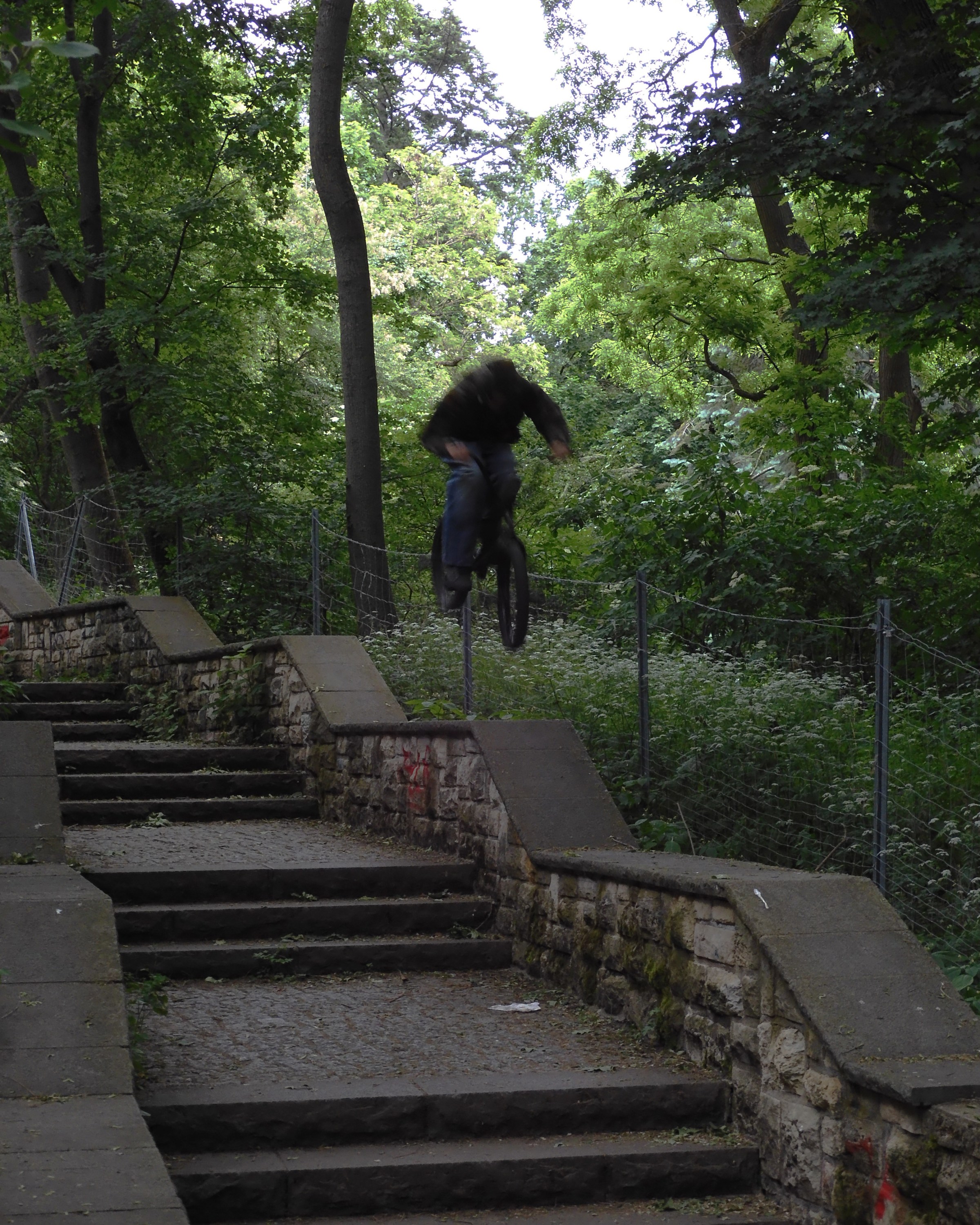
For Iki Mazza, 23, it almost feels like they were born with a BMX between their legs.
Beginning their professional career at a very young age, Iki toured the world, sponsored by major brands, and won competitions, including the 2018 Summer Youth Olympic Games in Buenos Aires.
But winning wasn’t all Iki wanted from life. Choosing to leave behind their accolades and the competitive BMX scene, they disappeared from the sport’s spotlight to pursue other creative passions: filming, music, and fashion. In this intimate conversation,
Iki opens up about the change they went through and explains the importance of exploring various forms of self-expression.
正しい時に正しい場所に。会うべきときに会うべき人と。それを生まれつきの才能、運、あるいは粘り強さと呼ぶことができるだろう。
まるで自転車にまたがってこの世にやってきたのかと感じさせる23歳のIki Mzzaは、若くしてプロBMXライダーとしてキャリアをスタートさせた。
有名ブランドのスポンサーを受けながら世界中をツアーし、2018年のブエノスアイレス夏季ユースオリンピックを含む数々の大会で優勝。しかし、Ikiはそんな栄光と慣れしたんだBMXの世界を離れ、映像や音楽、ファッションといった別のアウトレットを模索する。
今回の対談では、Ikiが経験した内なる変化や、形にとらわれずに表現方法を探求することの重要性を語ってくれた。

◻︎ How did you start BMX?
I don’t even remember, I was three years old. I had this tricycle made of plastic and I was already jumping, doing 360s. I destroyed the wheels in two. Then I got a bike without the support wheels, just straight to the real wheels. I started jumping inside my home because my house was really big, three floors.
◻︎ いつBMXをはじめたの?
覚えてないけど、3歳ぐらいのときかな。プラスチックの三輪車を持ってたんだけど、すでにジャンプしたり、360度回転したりしてた。車輪を真っ二つに壊してたね。それから補助輪なしの自転車を手に入れて、すぐに本物の自転車に乗りはじめた。その頃は3階建ての大きい家に住んでたからから、家の中でよく飛び跳ねてた。
◻︎ You’re from Rio Grande, Argentina, right?
Rio Grande is where I was born. It’s a super industrial city, full of factories, a very concrete and dystopian place, because it’s full of ruins. My mother worked a lot, and she got this house. There were little things, like steps, that I could just hit with my bike and jump.
◻︎ アルゼンチンのリオ・グランデ出身なんだよね?
リオ・グランデは僕の生まれ故郷。工場がたくさんある超工業都市で、コンクリートと廃墟がいっぱいのディストピアみたいな場所。母親がたくさん働いてこの家を手に入れたんだ。小さな段差とかがあって、それを踏み台にして自転車でジャンプしてた。
◻︎ But did you know what BMX was back then?
Yeah, because my brother is a rider too. When I was three, he was 13. He was already really into motorcycles.
◻︎ 当時、BMXがなにか知ってたの?
うん、兄がBMXに乗ってたから。僕が3歳のときに兄は13歳で、すでにバイクに夢中だった。
◻︎ Was he an influence on you?
Both of my brothers. Everyone knew them, my brother was the first rider in Argentina to do a double backflip, for example. He is crazy. I was the little baby between all that gang and they were super crazy kids, drinking, getting fucked up, they were scumbags. I grew up really fast, I always had freedom and that’s very special.
◻︎ 兄の影響だったの?
2人の兄は本当にすごかった。アルゼンチンで初めてダブルバックフリップを決めたライダーなんだ。クレイジーだった。僕はそのクレイジーな仲間の中で育って、みんなお酒を飲んだり、暴れ放題だったり。そのせいもあって、自分は早く成長を遂げた。常に自由でいられたのはとても特別なことだね。
◻︎ Was BMX different back then?
It was different because there wasn’t much internet, it was more just face-to-face and going on adventures in the streets. I think there’s going to be a revival, everyone is going to leave their phones. It’s going to be a trend not to be on the internet.
◻︎ 当時のBMXは今とどう違ってたの?
インターネットがあまりなかったから、もっと自らが街で冒険する感じだったと思う。みんながスマホを手放して、またその時代に戻るんじゃないかな。インターネットに依存しないのが流行ると思う。
◻︎ When did you get your first real BMX?
When I was four, my brother’s friends went to where all the trash goes, and they found a little frame from the 90s. Everyone donated parts and they put together a very weird BMX.
◻︎ 初めて本物のBMXを手に入れたのはいつ?
4歳のとき。兄の友達がゴミ捨て場で90年代の小さなフレームを見つけてくれて。部品もみんなからもらって、変なBMXを組み立てたんだ。

◻︎ When did it start to become like a serious thing for you?
At that moment, when I was four. I used to put all my pads, this helmet and go just to ride the street. I was like a motorcycle rider, as all the protection was for motorcycles. I used to go out with my bike to ride the streets with my little friends from the blocks, just go and destroy everything. I used to grind the ledges where everyone put flowers. Older people remember me because of that.
◻︎ BMXに本気で取り組むようになったのはいつ?
ちょうどその瞬間、4歳のとき。全身プロテクターをつけて、ヘルメットをかぶって街を走り回ってた。ほんとはバイク用のだったんだけど。友達と一緒に街をBMXで走り回って、いろんなものを破壊してた。みんなが花を飾る場所の縁をグラインドしてたから、年配の人たちは僕を覚えてる。
◻︎ You were the destroyer of the town.
It was really bad, BMX was really a vandal thing and still is sometimes. You would get kicked out from everywhere. Sometimes police would catch you and get your bike.
◻︎ 街の破壊者だったんだね。
悪いよね(笑)。BMXは本当にヴァンダル的なもので、今でも時々そう。どこでもキックアウトくらうし、警察に捕まって自転車を取り上げられることもあった。
◻︎ Nowadays it’s kind of institutionalized. It’s not seen as such a vandal thing anymore.
It depends.
◻︎ 今では少し正当化されたよね。以前ほどヴァンダル的なものと見なされてない。
時と場合によるかな。
◻︎ It is now an olympic sport, for example.
Actually it was one of the first ever Olympics. I wasn’t sure if I wanted to be part of that because I always lived in the hardcore of BMX. Those were my ideals. I never follow any rules.
◻︎ たとえば、今はオリンピック競技だとかね。
実際、僕はBMXが正式種目になってすぐのオリンピックに出場した。BMXのハードコアな部分で生きてきたから、参加するかどうか迷ってたけどね。それが僕の理想だった。ルールに従うのは好きじゃなかったし。
◻︎ When was your first competition?
When I was seven in Buenos Aires. The name of the jam was Ghetto Jam, because it was made with upcycled ramps, with everything just recycled and very sketchy. It was cool.
I started realizing that BMX is a really freaky thing. A bike is just freakyness, it’s like nerd shit, and really hard to get into if you are not passionate about it or if you are not rich or have rich parents. In my case, my mother didn’t have money, but my brothers and their friends blessed me. We were always struggling with getting material stuff. In the beginning my feet were so little that there weren’t any shoes. So I had to wait two years until my feet grew and get some shoes to ride. It was a huge process.
◻︎ 初めて参加した大会はいつ?
7歳のとき、ブエノスアイレスでのことだった。ゲットージャムっていう名前のイベントで、リサイクルされた材料で作られたランプとかいろいろあって。すごいスケッチーな大会だった。クールだったよ。
その頃、BMXって奇妙で不思議なものだなって気づきはじめたんだ。自転車って異常で、オタクっぽくて。情熱がないと続けられないし、お金かお金持ちの親がいないと難しい。僕の場合は、母親にお金はなかったけど、兄と友達たちが恵んでくれた。BMX用品を手に入れるのはいつも大変だったね。はじめたばかりのときは足も小さかったから、スケートシューズも なかった。2年ぐらい待ってようやく手に入れられた。だいぶなプロセスだよ。
◻︎ When was the first competition you won?
In the first one, I got on the podium. Everyone was tripping out with me because me and my brother came from so far to the center of Argentina to the main city, Buenos Aires. We were just foreigners there, no one knew us and we came with this strength on our souls, so much passion. It’s really hostile where we lived, cold as fuck, all the year so windy. We were so fucked up on our minds. And also we didn’t have any place to ride. We used to make our own spots, build our own jams, always struggling to have that.
I think that gave us the facility to adapt ourselves to anywhere. We were kamikazes. I have a poem that says that, that all my life, I was just playing with death, because we are always really close to fall and fuck ourselves up badly.
◻︎ 初めて勝った大会はいつ?
初めて出た大会で表彰台に上がったよ。アルゼンチンの中心地、ブエノスアイレスまで遠くから来た僕と兄にみんな驚いてた。僕たちはただの部外者で、だれにも認知されてなかったし。強い心と情熱をもって挑みに行った。僕たちが住んでたところは本当に厳しくて、1年中寒くて風が強かった。頭がおかしくなりそうだったし、乗る場所もなかった。自分たちでスポットを作って、ジャムを開催して、そのために常に苦労してた。
それが適応力を与えてくれたと思う。僕たちはカミカゼだった。僕が書いた詩には、ずっと死と遊んでたと書いてある。いつも転んでひどい怪我をする直前だったから。
◻︎ But you didn’t fear anything?
Of course we fear, but we always had to beat it in a second. My brother was jumping the biggest stairs in Buenos Aires. Everyone was tripping out because he was already riding like those that were magazines. These guys noticed that and they were haters, they didn’t receive that well because they were the BMX celebrities in our country.
◻︎ 怖くなかったの?
もちろん怖かったけど、一瞬でそれを克服しなきゃならなかった。大きなものの上に立つまで。兄はブエノスアイレスで一番大きな階段を飛び越えてた。雑誌に載るような人たちと同じことしてたから、みんなびっくりしていたよ。国内で有名なBMXライダーたちに知れ渡ったけど、彼らはヘイターだったね。
◻︎ Fear didn’t hold you back from continuing?
That’s how extreme sports work, they’re not safe. In the 2000s it was different because in the contests the people that were crazier and tried scarier things were the best. Today the best one is the one who does the most perfect stuff and lands very clean tricks.
◻︎ 恐怖から逃げることはなかった?
それがエクストリームスポーツの本質だよ、安全ではないんだ。2000年代は今と違い、コンテストではよりクレイジーで怖いことに挑戦する人が一番だった。だけど、ここ最近は完璧な技を決めて、きれいに着地する人が上手いとされている。
◻︎ Not necessarily the one who takes more risks.
I feel BMX was very related to heavy metal. Everyone was metalhead or hardcore, they were like “mosh pit on the bike”. We were inspired by Jackass. Just getting hurt was cool. It was a BDSM BMX. Actually today, I’m not riding much, \following my other passions, when I’m not riding I feel the necessity to feel pain. That takes my anxiety away. Feeling some pain is good.
◻︎ 必ずしもリスクをとる人が一番ではないのか。
BMXはヘビーメタルと非常に関連があると思う。みんなメタルヘッドやハードコアで、「自転車の上でのモッシュピット」のように感じた。ジャッカスに影響を受けて、怪我をするのがクールだった。BDSM BMXみたいな。僕は実際、最近はそこま で乗ってないけど。自転車に乗らずに他に好きなことをやってるときは、痛みの必要性を感じる。それが不安を和らげるんだ。痛みを感じるのはいいこと。
◻︎ Did you use to ride everyday?
For 15 years straight, everyday.
◻︎ 毎日乗ってたの?
15年間毎日乗ってたよ。
◻︎ When did it transition from a passion to a professional thing?
When I was 11. Everyone was telling me that I was a prodigy. The haters were saying that I was like an alien or gifted. It wasn’t like that. I fell 1.000 times to land every trick. It was just effort and constancy. It was discipline, but I never took it that way. Discipline is so weird to me. Until today it’s still just a game, and having fun going over your boundaries.
◻︎ 本格的にBMXと向き合うようになったのはいつ?
11歳のときだよ。みんなは僕のことを天才と呼んだ。嫉妬してる人たちは僕がエイリアンか恵まれ者だって言ってた。でもそんなことはなかった。毎回技を決めるのに1000回は転んだ。ただの努力と継続だった。それが規律であったけど、そんなふうに考えたことはなかった。規律っていうとちょっと違う。今でもゲームのように、限界を越えて楽しんでるだけ。
◻︎ Was it natural to you to have this discipline?
Here in Europe, where riders or kids that ride always have structures to practice, they take the sport more like this, “I have to practice so I get better”. For us it was just adventure time all the time. I tried to put that way I learned from BMX into everything I do, but that fucks me up when I’m trying to do something related to this matrix. That’s why I got fired from my job, I guess. I don’t don’t fit into the matrix. That’s why I quit school when I was 12. BMX rescued me, it was my school.
◻︎ この規律は自然なことだった?
ヨーロッパでは、ライダーや子供たちのための練習施設が整っていて、枠組みがしっかりしてる。スポーツ的な「上達するために練習しないといけない」という捉え方が当たり前。僕たちにとっては、冒険のような感覚だったけど。BMXから学んだことを人生に活かそうとするけど、この世の中すべてそう上手くはいかない。だから最近仕事もクビになった。そんな理由で12歳のときに学校も辞めたし。BMXに救われ、いろんなことを教わった。
◻︎ When did you get a sponsor?
When I was 11.
スポンサーがついたのはいつ?
11歳のとき。
◻︎ Did you understand what was happening?
I wasn’t a kid. I think when I was 10 I was already living as 18. I was a kid and looked like a kid, but I already had the mentality of an older person.
◻︎ そのときに起こっていたことはすべて理解していた?
ませてる子どもだったから。10歳のときにはすでに18歳として生きていたと思う。見た目は子どもだったけど、すでに大人の考え方をもっていた。
◻︎ How was this touring and competition life?
It was amazing. That connected me with music, all the older guys would bring me to the parties illegally, because I couldn’t be there but I was. It was wild. It was like this movie, Kids, from 95, from Harmony Korine and Larry Clarke.
Also in Argentina we are free for many things, because we don’t have much stuff from the material world. Everything took so much effort to get that we didn’t care about it. What we cared about was just living the moment and being with friends, push each other. The community felt like a family. Until today in music and everything, there in South America, we don’t fuck with capitalism, because it’s so hard to get money that we just focus more on the creative stuff. That’s why we are so talented, but we don’t have the tools sometimes.
◻︎ ツアーや競技生活はどうだった?
最高だったよ。年上の人たちが未成年の僕をパーティに連れて行ってくれて、音楽にも出会うことができた。あれは楽しかったな。まるで1995年の映画「Kids」のようだった。
それと、アルゼンチンは物質的な世界のものにとらわれることなく、とても自由。なにを得るにしてもたくさんの努力が必要だったから、気にしなかった。それよりも、この瞬間を生き、友人と共に高め合うことを大切にしていた。家族のようなコミュニティ。音楽やすべてにおいて、南アメリカは資本主義のアイデアには興味がない。お金を稼ぐのが難しいから、クリエイティブに集中する。だからこそ、僕たちは才能があるんだと思う。時にはそれを活かすツールがないんだけどね。
◻︎ Did you ever feel like you had to cope with capitalism?
I never thought about that until last year. In some way, BMX helped me to hack the matrix. Being conscious of values, of everyone – BMX opened my consciousness in that way. When I had sponsors, it wasn’t perfect, people that manage brands would never ride BMX or skate. They were just there because they studied at the university. They didn’t understand the core meaning of this culture or the issues that you could be living with.
From these people I learned what I had to do to not be like them. Today if I was in that place I could support many kids that are so talented, bring them tools just so they can express themselves. Every art expression is magical. It goes beyond techniques or studies, or theory, it’s just instinct. When you get on an instrument you get in that feeling of trance, your whole
the body starts vibing hard. That feeling is like you are high. I feel that it’s missing today because we have to struggle. It could be easier to be supported, bring that life to our daily life, and feel that more often. That’s why many people get frustrated or just leave their art. Even myself.
◻︎ 資本主義に従わなければいけないと感じたことはある?
昨年まで考えたことは一切なかったんだけど。ある意味、BMXはこの世の中の生き方を教えてくれてた。価値観や いろんなことに意識を向けさせてくれた。スポンサーがついていたときも、すべてが完璧というわけではなかった。ブランドの上の立場にいる人たちはBMXやスケートボードすらもやったことがない、ただ大学で勉強してきただけの者だし。このカルチャーが抱える真の意味や問題点すらも分からない。
そんな人たちみたいにならないようにってことは学んだかな。今もし自分が才能ある子どもたちの自己表現を支援できる立場にいたら、必要なツールを提供してあげたい。どの芸術も魔法だから。スキルとか勉強とか、規則とか関係なく、直感を信じることが大事。楽器を手にしてトランス状態に入ると、全身が強く震えはじめる。ハイになる感覚。今の厳しい世の中ではそれが足りてない気がする。もっとたくさんの助けがあれば、より幸せを感じられるのになと思う。それが原因でアートを続けられない人もたくさんいる。自分もなんだけど。
◻︎ Was that also your reason why you kind of distanced yourself from BMX?
No, not really. I distanced myself from BMX because it’s a very tiny community around the world compared to other similar things, so people sometimes can be close-minded. I never felt like I was just a boy and that’s where I started to question myself, my queerness and my identity. When I questioned this, I started realizing all the shit that was around – that’s why I got away.
When you go to skateparks, they are always talking in this sexist language, homophobic, fatphobic or transphobic – all “phobics”. I was at the skatepark at some point in 2019, I had long hair, so some people didn’t know if I was a girl or a boy. I listened to these boys talking like that and I just felt like a stranger to them.
I had to work all these years and be surrounded by people that inspire me to be how I am today. And that’s how the past hit me so hard. It was just years of curing traumas and starting to work on them to transform those dramas, turn the bad things into good. During these past years I was working and focusing on all the really uncomfortable things.
◻︎ しばらくBMXから距離をおいたのはそれが理由?
ううん、それは別に。僕がBMXから離れたのは、わずかに存在するクローズマインドの人たちが理由。物心ついたときから自分のことを単なる少年だとは思っていなくて、それをきっかけに性やアイデンティティのことについて考えはじめた。一度自分と向き合いはじめたら身の回りの害悪が丸見えになって。だから距離をおいた。
スケートパークに行くと、常に性差別的な言葉が飛び交っていて、ホモフォビア、デブフォビア、トランスフォビアなどの「フォビア」が存在する。2019年あたりに僕は長髪だったため、男か女か分かりづらい見た目をしていた。男の子たちがこそこそ話していたが、近寄ってくることはなかった。
だからここ数年は、自分のことをインスパイアしてくれる人たちと一緒にいる必要があった。そのときに過去が苦しく感じたね。何年ものトラウマを癒し、悪い出来事を良い方向に転換させようと努力した。そういった不愉快さと最近は向き合っていたね。
◻︎ Have you ever felt you could be the change?
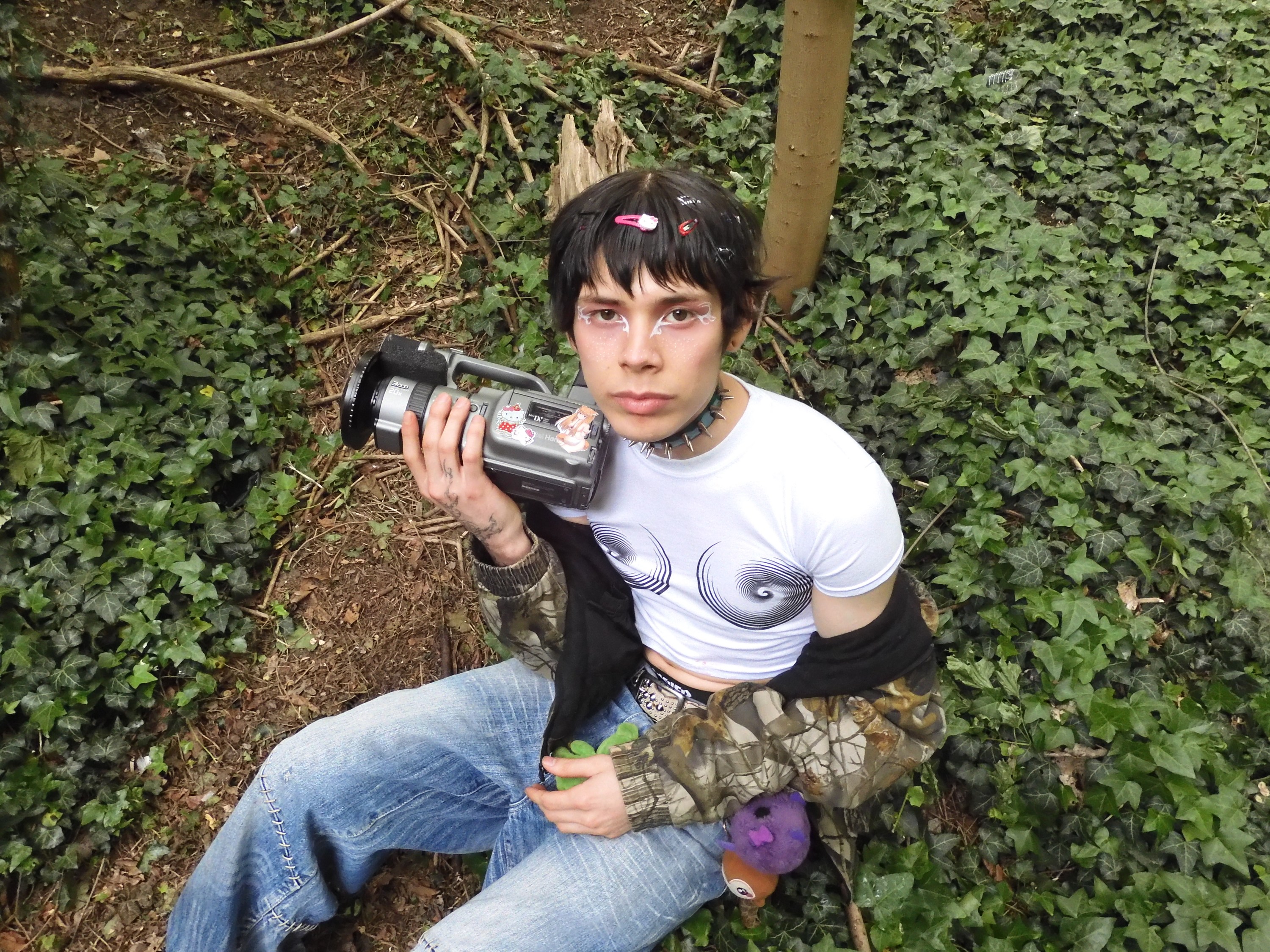
Actually, I feel that. With my presence, going to places and confronting the situations and just being myself, I’m doing that work of people questioning themselves. If I get to be in front of somebody that doesn’t like me, I just be myself more and shine.
◻︎ BMXシーンを変える存在だと感じたことはある?
そう感じるよ。自分がその場にいるだけで、少しでも他人に影響を与えていると思う。僕のことを好まない人の目の前に立てば、ありのままの自分でただ輝くだけ。だからといって、まったく暗い気分にならないというわけではないけど。
◻︎ Did you keep your own shell to protect yourself?
In the last year I learned to manage my own energy and create my own energy bubble of protection, being surrounded by people that inspire me, by creatives. And with people that I don’t resonate with, we are just not on the same timeline.
◻︎ 自分自身を守るため、しばらく殻に閉じこもっていた?
昨年、クリエイティブでオープンマインドな人たちと多くの時間を過ごし、自分のエネルギーを維持し、守るためのバブル作りを覚えた。意見が合わないような人たちは、自分と同じ時空で生きていないだけってことも。
◻︎ What was the last thing you did with the BMX?
I was just competing, but I was so existential. This guy was filming me, doing interviews and I was just so fucking existential that he was like, “hey, say something normal”. He was just asking me very mundane words of how I was feeling at that event and I was just existential as fuck, talking about spiritualism. I was in a very psychedelic moment.
◻︎ BMXから離れる前はどんな心境だった?
ひたすら大会に参加していたけど、ただそこにいただけのようなもん。僕のことを撮影している人がいて、インタビューでは「普通のことを言って」とコメントを指定されるとか。その頃はスピリチュアルに興味があったから。とてもサイケデリックな局面にいたね。
◻︎ What does that mean?
I was really into doing research about what we can’t see but we can feel. That side of yourself that we don’t understand much yet. With the internet and all this present that we are living, all that information is traveling fast. Many people are awakening, being aware of my body and earth, more conscious of that side that we can’t explain. All the information that right now is popping up, thousands of people are feeling it and understanding. I was experimenting myself with some psychedelics, connecting to earth, remembering.
◻︎ それはどういう意味?
見えないけど感じることができるものについて興味があり、たくさんリサーチしていた。まだあまり理解されていない人間の一面。インターネットがある現在は、情報が素早く回っているそんななかで、多くの人が目覚めはじめている。説明するのは難しいけど、人間の真の姿というか。それについての情報が出回りはじめてるけど、何千人もの人々が感じ、理解しているはず。僕はサイケデリックの力を利用して地球とのつながりを思い出していた。
◻︎ The street sports are kind of more modernized in a way because it’s on concrete, you have to be on the concrete.
BMX is more on earth because we can ride earth, we can ride dirt. Sometimes there are dirt jumps, people building these ramps just made of dirt and surrounded by trees and nature. That links you up with nature.
◻︎ コンクリートの上で行われるストリートスポーツは、自然とかけ離れているような気もするけど。
BMXはむしろ自然の中で行われるもの。土の上でも走れるし。木々や自然に囲まれた土でできたランプを作ってダートジャムを行ったり。自然とのつながりを感じることができる。
◻︎ Are you familiar with nature?
I’m very connected to the elements. When I feel that I’m unbalanced, I am missing some water or some air or earth. When you are balanced it is because you are at some point connected to these technologies. We would be nothing if it wasn’t for Mother Earth.
◻︎ 自然に親しみを感じる?
自然の要素とすごくつながっている。バランスがとれていないと感じるときは、水や空気、土が足りていない。バランスがとれているときは、なんらかの形でこういった技術とつながっているから。母なる自然がなければ、僕たちは生きていけない。
◻︎ When did you become conscious of this?
When I was 14, because I started being conscious of fractals on every cell that compounds everything. I feel that this is the psychedelic part of life, just ourselves. It’s just making you question everything and reminding you that you are an animal. Our way of living sometimes makes us forget we are that and that makes us a part of those cycles. Every living being on this planet is in that rhythm.
◻︎ こういったことは、いつ意識しはじめたの?
14歳の頃、すべての細胞に存在するフラクタルに気づきはじめた。これは人生のサイケデリックな部分だと感じている。僕たち自身そのものが。それからいろんなことに疑問を抱くようになり、自分たちが動物であることを思い出させられる。現代の生き方では、生物のサイクルにいることを忘れてしまうし。地球上のすべての生き物がそのリズムの中にいる。
◻︎ How do you find your balance now? We are also technologic, we can’t deny. We love technology.
The thing is mixing the artificial technologies with the natural technologies, because Earth and the elements and all that stuff that brings us life are just ancient technology that we have to learn. In the last
for years I had to study by myself to understand what we are and how our bodies work and I realized that the answers are in nature. We’re nothing without it. Today everything is so processed that we don’t know what we have inside and that’s literally what we cannot see. You can just see it in your mind, drawings, writings, start experimenting with different stuff to feel it, how that impacts in your mind, your blood, in your water, lungs, feets, hands, eyes. Yes, it’s complex, but simple at the same time, nobody teaches us.
◻︎ 自分のなかでどのようにバランスを見つけている?わたしたちの生活には、多くのテクノロジーや物質的な要素も含んでいる。
人工的な技術と自然から成る技術をかけ合わせることがポイント。古くから伝わる自然の仕組みは学ぶ必要があるからね。ここ数年間、人間の体の仕組みを独学で勉強したけど、すべての答えは自然にあることが分かった。自然がなければ生
きられない。今の時代はすべて加工されていて、根源がなにか分りづらい。目に見えないからね。絵を描いたり、文章を書いたり、いろんな手法を使いながら、心を頼りにする必要がある。頭脳や血、体内の水分、足や手、目がどう感じているのか。複雑だけど、同時にシンプルなことでもある。だれも教えてくれないことだけど。
◻︎ What’s your future goal?
Trying to combine everything and manage energy to be able to work in all those ways of expression. You have to put all your soul into that to make it happen in this plane. Many just get caught up by just one thing; they don’t experiment with other ways of expressing, combining that and creating a whole thing. That’s why they cannot go further or they just get stuck in one place. And that’s what I would like to do, to push others to create something and connect to that moment.
That’s my close goal, to make some pieces, like videos or anything that get people together to enjoy that. Whatever happens after you don’t know, what’s gonna pop up in others minds. Maybe they got so excited about what you’re doing and then someone wants to do something.
◻︎ 将来の目標は?
いろんなことを組み合わせながらエネルギーを上手にコントロールし、さまざまな自己表現の方法ができるようになりたい。この現実の世界でそれを実現するためには、全身全霊を注ぐ必要がある。多くの人はひとつのことにとらわれて、他の表現方法を試したり、組み合わせたりすることはあまりないから。だから、みんな限界を超えられずに、ひとつの場所にとどまっている。みんなのやりたいことだったり、瞬間を楽しむっていうことをを応援していきたい。直近の目標っていったらそれかな。とりあえず映像とかみんなが楽しんでくれるものを作って。そのあとなにが起こるかはわからない、どの人にどんなアイデアが浮かび上がってくるのかは。僕がやってることに対して興奮してくれて、その人もなにかはじめたらいいよね。
Interviewee: Iki Mazza
 SP∞CE Magazine