
02/16/26
Interview & Edit & Translation & Photography: Sara Hirayama
ぐねぐね。ぐるぐる。
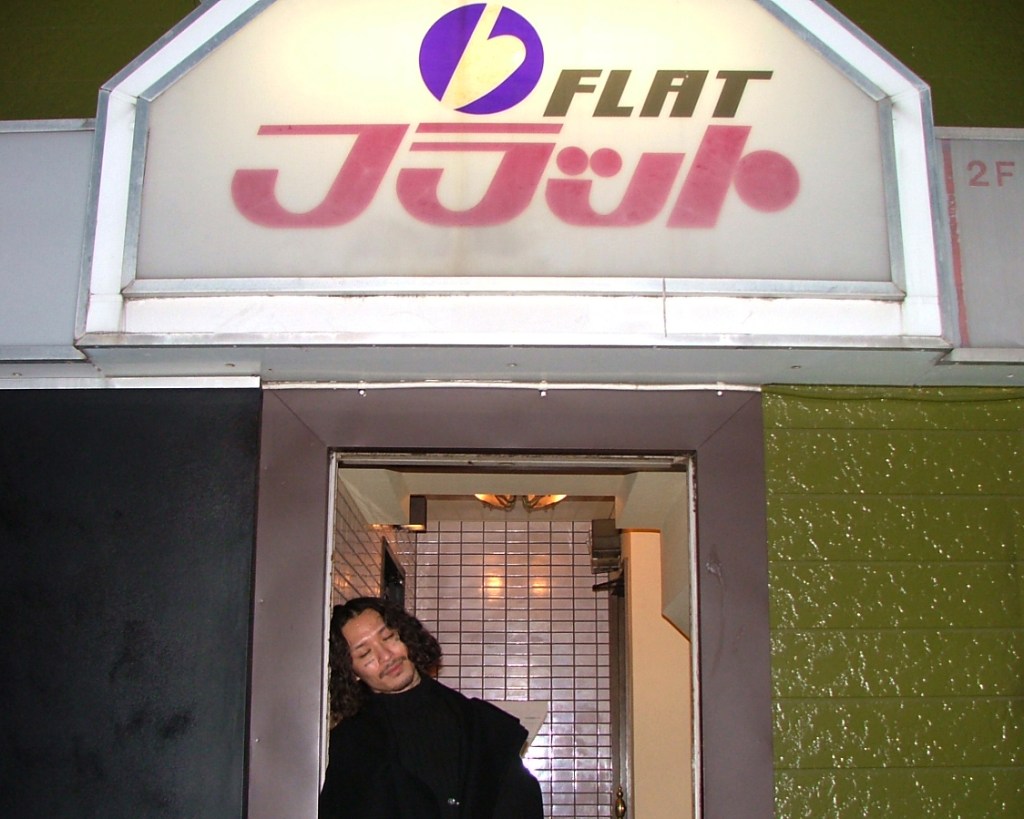
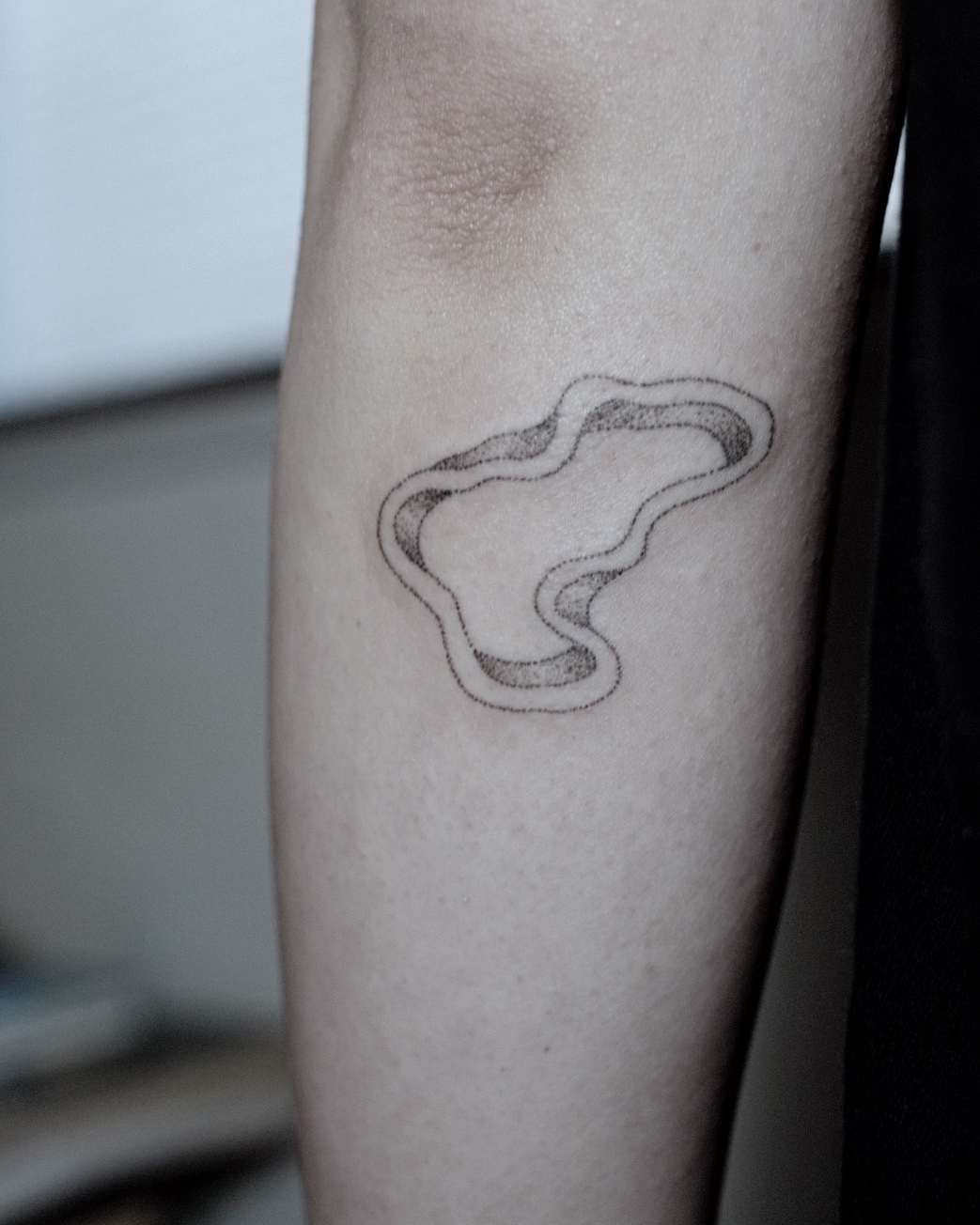
ふしぎでかわいいFlat Tattoo Roomの世界。軽やかに見える刻まれた線の奥には、迷いながら選んできた道とたくさんの修行を感じさせられる。そんなタトゥーに出会うまでの冒険をのぞいてみた。
Gune-gune. Guru-guru.
A strange and charming world created by Flat Tattoo Room. Beneath lines that appear effortless runs a story of wandering choices, layered with years of quiet discipline. Let’s take a glimpse into the adventure that led to tattooing.
◻︎ まずは、自己紹介をお願いします!
1995年10月14日生まれ、Flat Tattoo Room。北海道士別市出身。
◻︎ First, could you introduce yourself?
Flat Tattoo Room. I was born on October 14, 1995. I’m originally from Shibetsu, Hokkaido.
◻︎ 名前の由来は?
平田の「平」から。旭川の古着屋さんで働いてたときに、入店日にあだ名を決めようってなって、「平田だから『フラット』でいいんじゃね〜」って。そこからずっとFlat。
◻︎ Where does your name come from?
It comes from the “flat” (平) in my last name, Hirata. When I was working at a vintage clothing shop in Asahikawa, I had to pick a nickname on my first day. Someone said, “Hirata… why not just Flat?” I’ve been going by that ever since.
◻︎ 絵を描くのはずっと好きだったんだね。
ずっと絵は描いてて、途中でばあちゃんの家に住みはじめて。ばあちゃんとじいちゃんと3人で暮らしてて。2人とも耳が聞こえなかったんだよね。ばあちゃんが絵の先生だったのね。だから、絵で遊んだのかな。それもあって、そっから絵でちょけたいなって気持ちもでてきて。それがいい歪みになった気がする。
絵をやめた時期もある。でも1年以上描いてない時期はないと思う。紙がないときはDVDの箱にも描いてた。寺にも描いて、めっちゃ怒られた。
◻︎ You’ve always liked drawing?
Yeah, I’ve pretty much always been drawing. At one point I started living with my grandparents and neither of them could hear. My grandmother was an art teacher, so I guess I ended up playing and communicating through drawing. That’s when I started wanting to be a little playful with it, to mess around in a creative way. Looking back, I think that gave my work a nice kind of distortion.
There were times when I had a break from drawing for a bit, but I don’t think I’ve ever gone more than a year without it. When I didn’t have paper, I drew on DVD cases. I even drew at a temple once… and got in a lot of trouble for it.
◻︎ 自分の絵を簡単に説明すると?
大きく言うと「日常的なもの」を少し変にしたい。
◻︎ How would you describe your work?
Broadly speaking, I like taking everyday subjects and making them feel a little strange.
◻︎ 小さいときは、今描いてるような絵ではなかった?
じゃない。幼稚園のときは手が羽になってる絵とか。そう見えてるわけじゃないんだけど、そんな絵になっちゃう。結果論なんだけど、小さい頃から曲線が好きだったんだなって。人の絵をけっこう描いてた。
◻︎ When you were little, were you drawing the same kind of things you draw now?
Not really. Back in kindergarten I’d draw things like hands turning into wings. It’s not that I actually saw them that way, but that’s just how they came out. Looking back, I think I’ve always liked curved lines. I drew people a lot, too.
◻︎ いつからタトゥーを彫りたいと思いはじめたの?
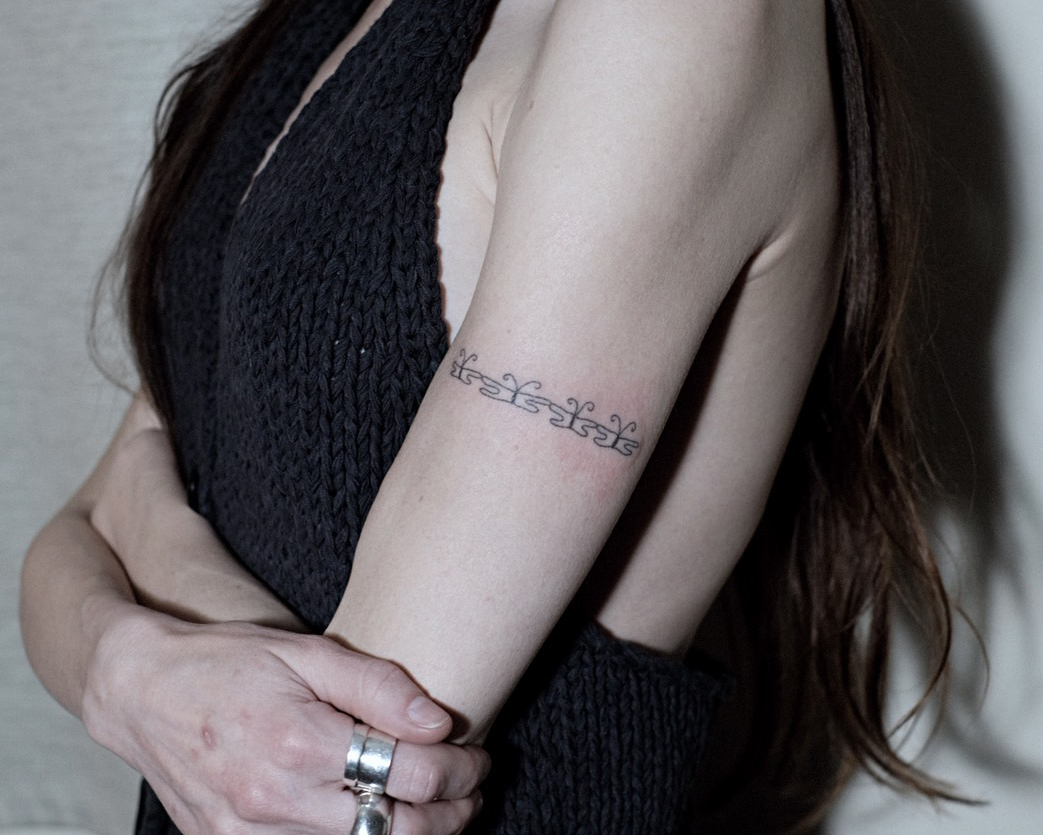
その当時旅してたんだよね。19とか20歳ぐらいのときに。日本でサーフィン旅してたら、タトゥー入ってる人もいるしね。その頃から自分の絵をタトゥーにしたいなって必然的に思ってたかも。
◻︎ When did you first start wanting to do tattoos?
I was traveling at the time, around 19 or 20. I was doing a surfing trip around Japan, and I saw people with tattoos. That’s probably when I naturally started thinking that I wanted to turn my own drawings into tattoos.
◻︎ 一番最初に彫ったタトゥーは覚えてる?
サボテンかな。
22、23歳のときに旭川に引っ越してきて、Mojoっていう古着屋さんを見つけた。遊びに行ってたらそこから仲良くなって。「タトゥーやりたいの?」みたいな話になって。「友達マシン持ってるよ」って言われた。次の日ぐらいに持ってきてくれて。「じゃあ彫ってよ」ってなったから、先に自分にハートを彫って、いい感じと思って。Teraさんって人にサボテンを彫ったの。それが上手くいったんだよね。下手なりの、意外とできるじゃんみたいな。
◻︎ Do you remember the very first tattoo you ever did?
Probably a cactus.
When I was around 22 or 23, I moved to Asahikawa and found a vintage clothing shop called Mojo. I started hanging out there and became friends with the people there. Someone asked me, “Did you want to do tattoos?” and said, “My friend has a machine.” The next day, they brought it over, and I thought, “Okay, let’s try.” I first tattooed a heart on myself, and it felt pretty good. Then I had a friend, Tera, tattoo a cactus. It turned out well, and I realized that even though I was just starting out, I could actually do it.
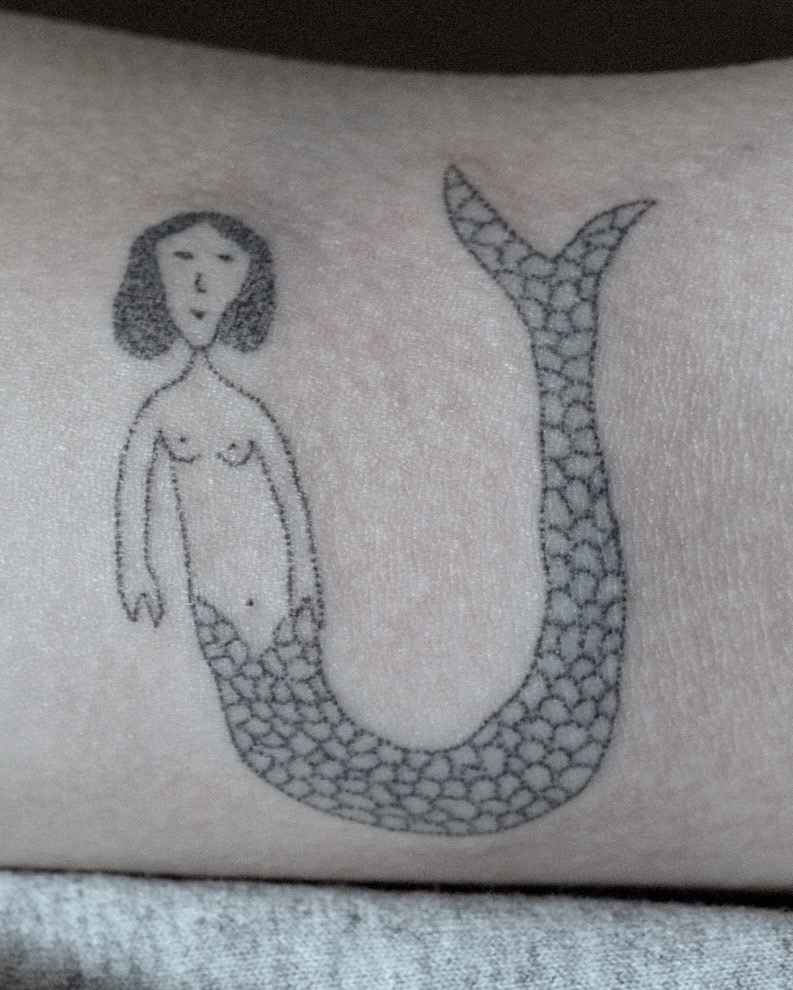
◻︎ 最初はマシンで彫っていたのに、今は手彫りオンリーに。それはなぜ?
率直にいうと、ハンドポークがかっこいいなと思ったからかな。はじめた当時はやってる人が本当にいなかった。もっと突き止めると、ハンドポークをやってる海外の彫り師に実際会ってみたら、ポジティブな意味で変な人が多かったし、そういう人に憧れをもったかな。で、自分の体にいれた初めてのタトゥーもハンドポークだったから。
◻︎ You do hand-poked tattoos instead of using a machine. Why hand-poke?
Honestly, I just thought hand-poke tattoos looked really cool. Back then, hardly anyone was doing it. What drew me in even more was meeting hand-poke artists from overseas – a lot of them were “weird” in a positive way, and I admired that. Plus, the first tattoo I ever got on my own body was hand-poke, so it kind of stuck from there.
◻︎ 自身のファーストタトゥーはどれなの?
有刺鉄線とバラが混ざってるのと、エイトボールの8番。あんまり意味はないかな。オーストラリアでいれた。当時、モレイフィールドってとこに住んでて、オーストラリアのめっちゃ田舎。スケートのデッキだけ持ってったのね。友達もいないし、田舎すぎて日本人もまったくいない。でっかいスケートパークだけあって、そこに行ったらローカルの人たちがいて。そこで仲良くするやつもいれば、一生差別してくるやつもいて。一番差別してくるやつがいてね。
遊んでたらある日ね、一番差別してくるやつがキャンプファイヤーの火に俺のことをもっていこうとしてきたんだよね。それでまた俺がちょけたら、たぶん一生それやられるって思って。一応柔道やってたから、火に向かってそいつ投げたんだよね。そこからそいつとめっちゃ仲良くなった。その後はそいつがいろんなパーク連れてってくれたし、知り合いに彫り師いるから、ちょっと一緒に彫りに行こうってなって、そこで連れてってくれたスタジオでファーストタトゥーいれたかな。
◻︎ What was your first tattoo?
It was a mix of barbed wire and a rose, and the number 8 from an eight-ball. I don’t think they had much meaning. I got them in Australia. At the time, I was living in a really rural place called Morayfield. I only brought my skateboard deck with me, didn’t know anyone, and there were basically no Japanese people around. There was a huge skate park there, and I met locals – some became friends, and some were hostile. One guy, in particular, was really aggressive toward me.
One day, while hanging out, he tried to throw me into a campfire. I thought if I messed around, he’d probably do it to me again. I had done judo, so I ended up throwing him into the fire instead. After that, we actually became really good friends. He started taking me to different skate parks and introduced me to his tattoo artist friend. That’s how I got my first tattoo.
◻︎ これまでになんこぐらいタトゥーを彫ったんだろうね。
Instagramの投稿が1,000なんぼぐらいだから、プラス100ちょっとぐらいなのかな。
◻︎ Roughly how many tattoos do you think you’ve done so far?
I’ve got over a thousand posts on Instagram, so probably a little over a hundred more on top of that.
◻︎ お客さんとの親密なセッションでは、タトゥーを彫るうえでどんなことを意識している?
時間は限られてるから全部は知れないんだけど、どんなものが好きなのかとか、どんなものを表現してるのかとか、どんなものに影響受けてるのかっていう話をすることが多いのかなぁ。自分の話するときもあるけど、あんまりしてないかも。聞かれたらするけど。なにかしらの悩みはみんなもってるから、その話を聞いたりとかも多いかな。もっと浅い、好きな食べ物の話で盛り上がったりとか。東京なんていっぱい飯屋さんあるから。
◻︎ During one-on-one sessions with clients, what do you pay attention to?
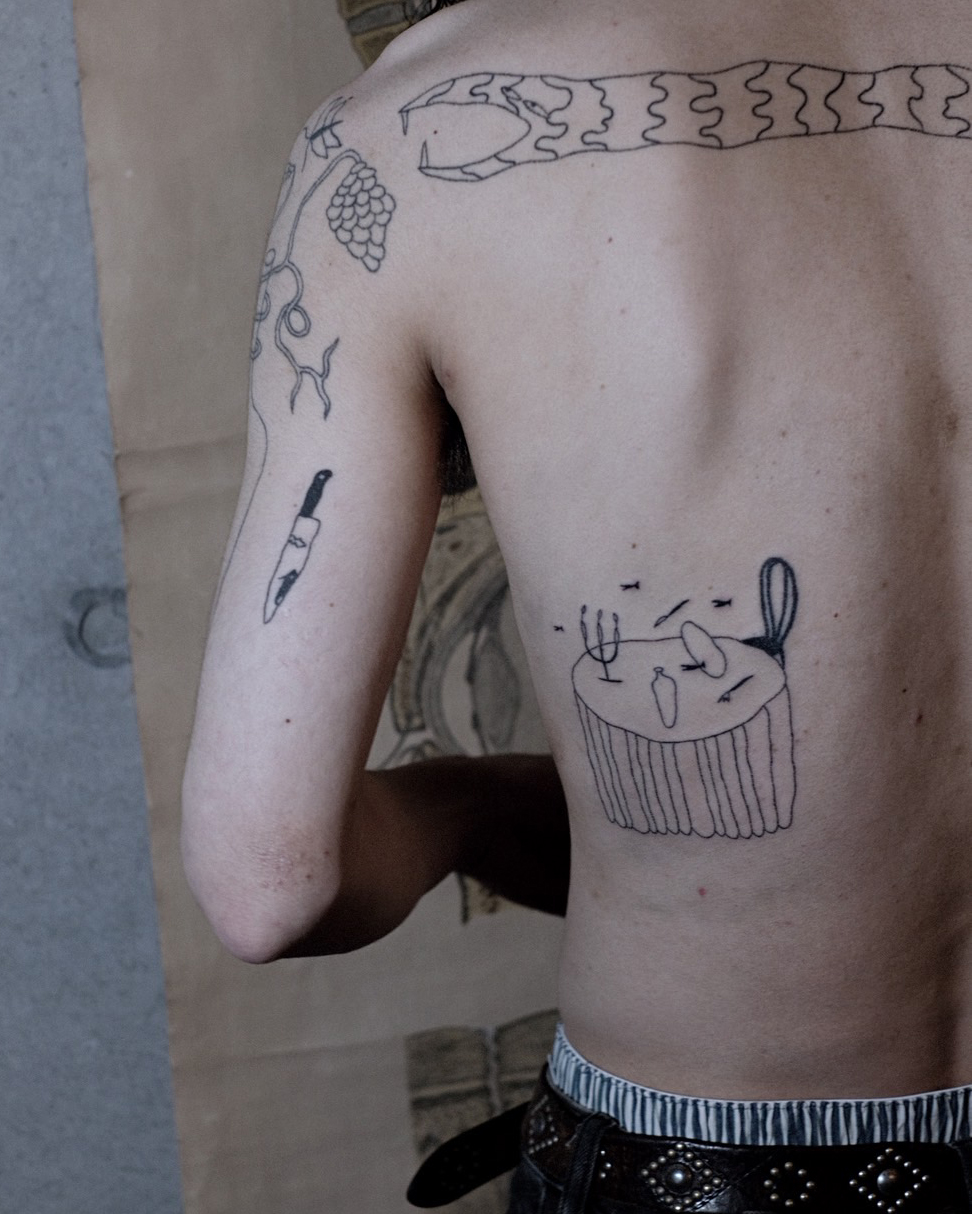
There’s only so much you can know in the limited time you have, but I usually try to get a sense of what they like, what they’re trying to express, and what influences them. I might share a little about myself too, but not that much – only if they ask. Everyone has some kind of worry or concern, so I often end up listening to that as well. Other times, we’ll just chat about lighter things, like favorite foods. There are so many good places to eat in Tokyo, after all.
◻︎ 人生のターニングポイントは?
自分が描いた絵を見た友達が感動して泣いてくれたとき。その気持ちを知っちゃった。目の前で感動されるのはやばいなって思って、そこからより描くようになった。絵ってすごく希望あるなって。
◻︎ What has been a turning point in your life?
It was when a friend saw a drawing I had made and got so moved that he cried. Experiencing that feeling right in front of me was intense, and after that, I started drawing even more. I realized that drawing can be really full of hope.
◻︎ 最近夢中になっていることは?
ダントツでDuolingoかな。ハマってるね。ハンパない達成感。
◻︎ What have you been really into lately?
Hands down, it’s Duolingo. I’m totally hooked. The sense of accomplishment is unreal.
◻︎ 面白い題名の本をたくさん読んでる印象があるけど、言葉や文章もずっと好きだったの?
あんまり好きじゃなかった。20歳ぐらいまでテレパシーでいいんじゃねって思ってた。でも、当時オーストラリアのクリーニング屋さんで働くようになってから、会話が大事なことだって気づいてから好きになった。
◻︎ You own a lot of books with interesting titles. Have you always liked words and writing too?
Not really. I didn’t care much about it until I was over 20. Back then, I thought, “Telepathy is all we need.” But when I started working at a dry cleaner in Australia, I realized how important conversation is, and that’s when I started to appreciate words.
◻︎ 日々の生活において、なにを基準にして行動している?
気分がいいか気分が悪いかだと思う。
◻︎ What guides your decisions in daily life?
I think it all comes down to whether I feel good or bad.
◻︎ 今後挑戦したいことは?
週刊新潮の表紙を描きたい。
◻︎ What’s your next goal or dream?
I’d love to draw the cover for Shukan Shincho.
| <Flat Tattoo Room> 1995年生まれ。 幼い頃、耳の聞こえない祖父母に育てられました。 言葉の代わりに絵で気持ちを伝え合うような日々の中で、 絵は「遊び」であり「会話」であり、 そして心の拠り所になっていきました。 祖父母と一緒に描いていた小さな絵たち。 あの頃と今の絵に、大きな違いはありません。 絵に対して、変わらない信頼と安心感を持っています。 最近は、陶土も制作しています。 それは、平面の絵をそのまま立体にしたようなもの。 私にとって陶芸は、絵の延長線上にある、 もう一つの「描くこと」です。 描くことが、生きていくことと重なっている。 そんな気持ちを大切に、 静かに作品をつくり続けています。 Born in 1995. I was raised by my grandparents, both of whom were deaf. In those days, we communicated through drawing instead of words. For me, drawing became both a joy and a means of self-expression, and eventually a place of comfort for the heart. The small drawings I made with my grandparents back then aren’t so different from the ones I create now. I still have the same trust and sense of security in my work. Lately, I’ve also been working with clay. It’s like taking my flat drawings and turning them into three-dimensional forms. For me, pottery is another way of drawing – an extension of my paintings. Creating is intertwined with living. Holding onto that feeling, I continue to quietly make my work, one piece at a time. |
 SP∞CE Magazine