
03/26/26
Interview & Text & Translaton: Sara Hirayama
Photography: Kaito
ストリートで培った感覚を武器にアーティスト活動するKennyとBiko。しかし彼らの表現は、単なる自己表現にとどまらない。3.11の記憶、在日韓国人としてのルーツ、そして世界各地で起きる虐殺や差別。目の前にくり広げられた現実と向き合いながら、怒りと希望を作品やzine、そして行動へと変換してきた。
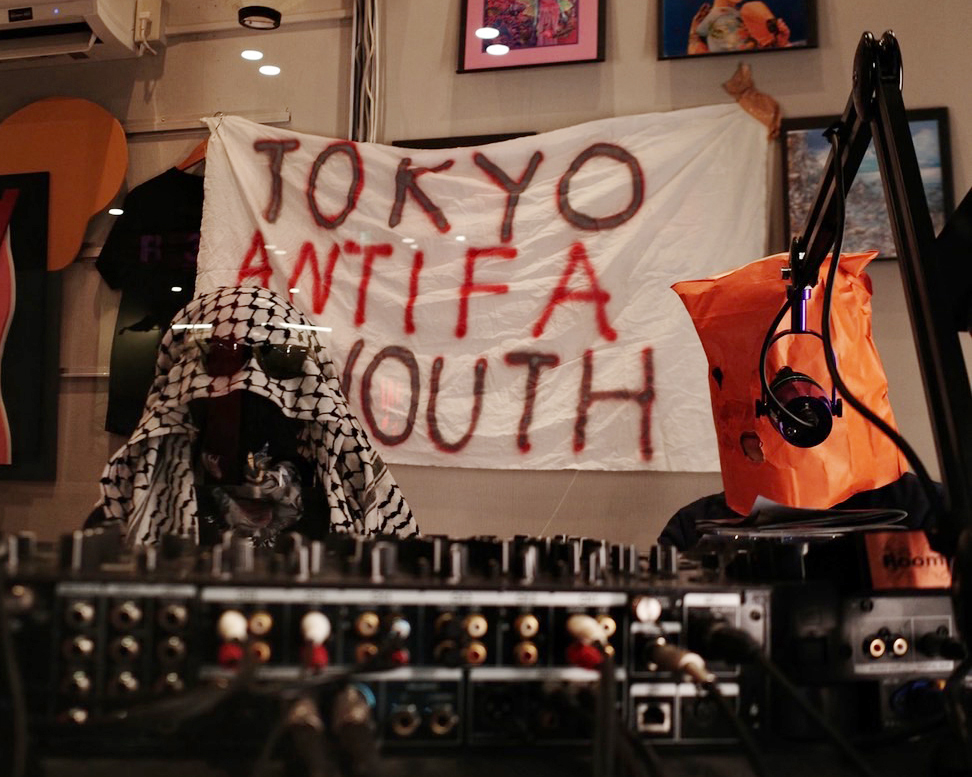
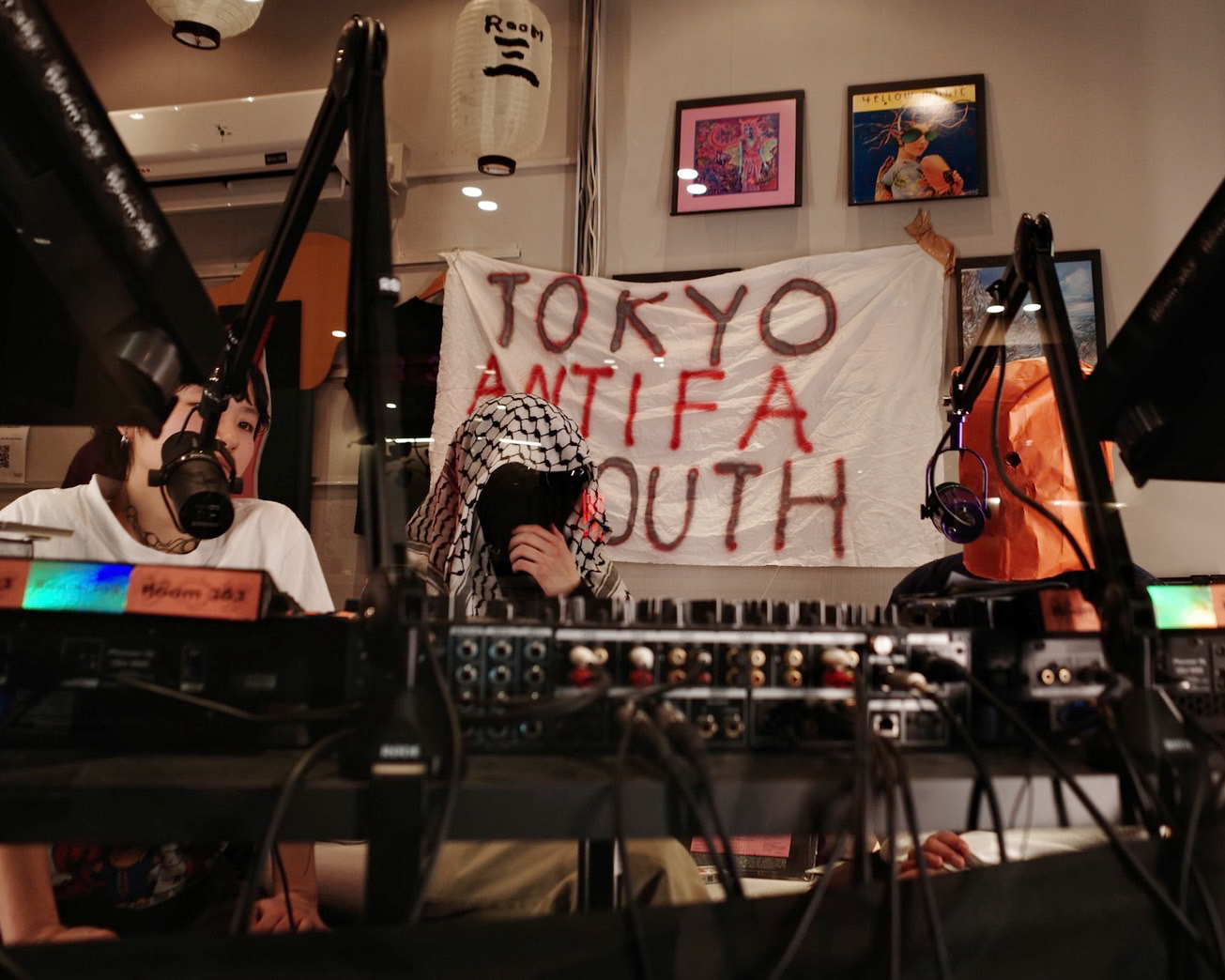
そんな彼らの幼少期の体験から現在の活動、そして思い描く未来像までを、2月11日(水)にRoom 303 Radioで生配信されたインタビューの編集版としてお届けする。
Kenny and Biko are artists who use the instincts they soaked up on the streets in their work. But what they express goes beyond just personal expression. Influenced by the memory of 3.11, their roots as Koreans living in Japan, and the genocides and discrimination happening around the world, they turn their anger and hope into art, zines, and action.
This is an edited version of an interview that was originally broadcast live on February 11 on Room 303 Radio, covering their childhood, their current work, and the future they imagine.
◻︎ 自己紹介をお願いします。
Kenny: Kennyです。
Biko: どうもBikoです。アーティスト活動とか、デモ活動とかやってます。
◻︎ Please introduce yourselves.
Kenny: I’m Kenny.
Biko: Hey, I’m Biko. I do art and activism, protest and all that.
◻︎ 最近はどういった活動に力を入れてるの?
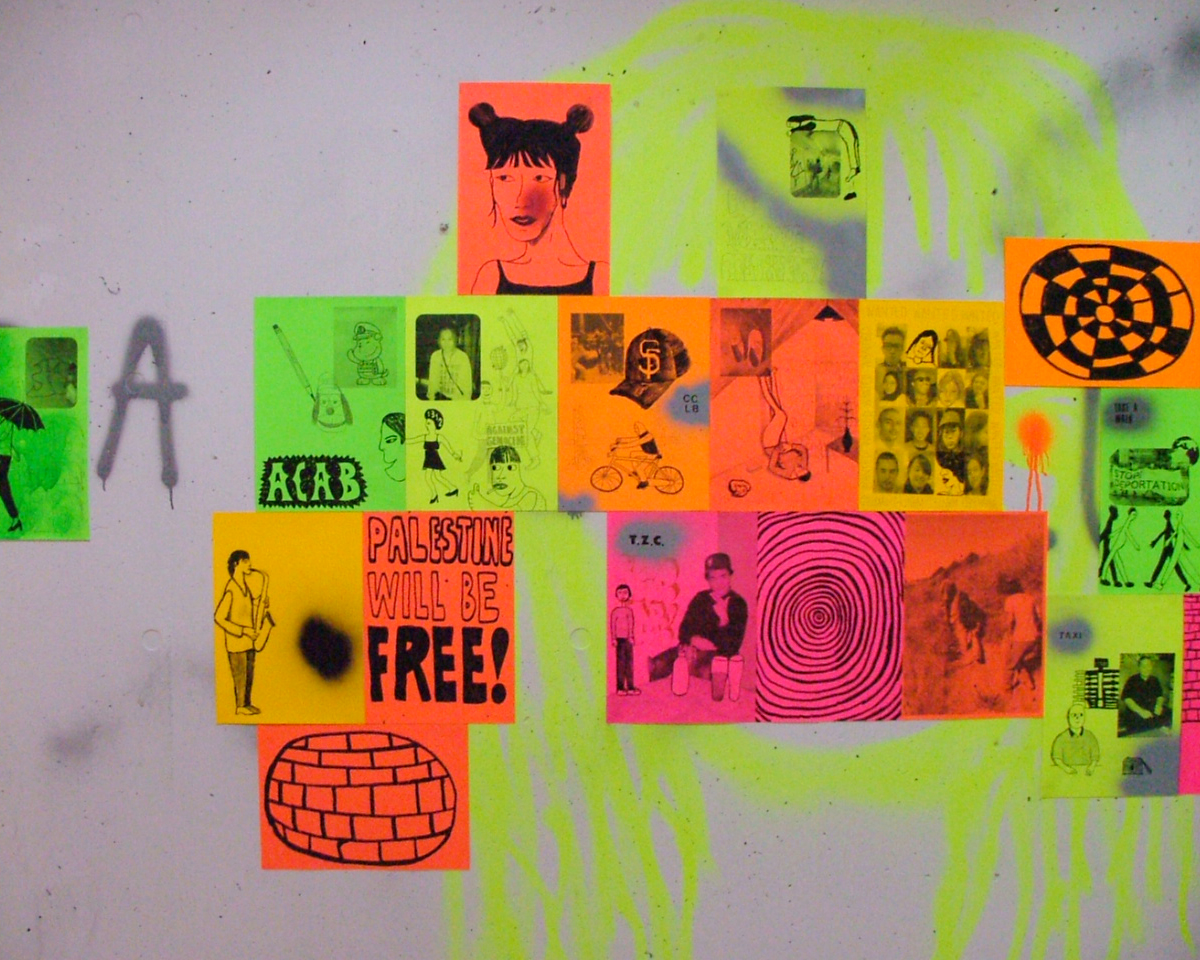
K: 2026年1月原宿にあるa°sq unitっていうギャラリースペースで展示をしました。カラフルなポスターに描いた絵とzineを準備して、5日間行った。たくさんいろんな友達が来てくれて嬉しかったし、幸せな時間でした。
B: 絵描いて遊びに行って勉強して。毎日すごいスピードで世界でいろんなこと起きてるから。それをキープアップするというか。
◻︎ What have you been focusing on lately?
K: In January 2026 we had an exhibition at a gallery space called a°sq unit in Harajuku. We prepared paintings on colorful posters and zines, and ran it for five days. I was really happy that so many friends came out. It was a wonderful time.
B: Drawing, hanging out, studying. So many things are happening in the world at such a rapid pace every day, so it’s about trying to keep up with all of it.
◻︎ いつもどのように情報を得ている?
B: Al Jazeeraだったりとか、デモ行ったりとか。ニュースやテレビでは見れない情報で勉強してます。
◻︎ How do you usually keep up with what’s going on in the world?
B: Sources like Al Jazeera, or going to demonstrations. I learn from things you can’t find on the news or TV.
◻︎ 生まれてからの時間を少し走馬灯してもらって。それぞれ2人が、どんな子供時代を過ごしたのかを教えて。
K: 小学生の頃は、あんまり字も読めなくて、勉強も難しいと思ってた。代わりに音楽だったり、映画だったり、アートだったりから学んでたのかな。その過去があるから今アーティストとして活動してるんやと思う。中学生の頃にパンクバンドもやったし、高校進学のときにバンドメンバーが海外に行くってなって解散したから、その時期からアート制作に集中しはじめた。
B: ずっと絵を描くのは好きやった。今も一緒のことやってる。
◻︎ Let’s look back on your lives from when you were born. What kind of childhood did each of you have?
K: When I was in elementary school, I wasn’t great at reading and found studying difficult. Instead, I think I was learning through music, movies, and art. I think that background is why I’m an artist today. In middle school I was in a punk band, but when it came time to enter high school, the other band members were going abroad, so we disbanded, and that’s when I started focusing on making art.
B: I’ve always loved drawing. Still doing the same thing now.
◻︎ 学校ではどのような生徒だった?
B: 自分はすげえ真面目やったと思います。遅刻とか一回もしたことなくて、宿題も絶対に締め切りに間に合う。でも、先生と毎日めっちゃ喧嘩するみたいな。
K: 僕はけっこう遅刻したし、学校行かない日も多かったし、学校とかで競争とか絶対あったし、そういうのが全然苦手だった。友達がおったから楽しかったけど、それ以外はあんまり。アートの授業とか音楽の授業とかは好きやったけど、それ以外は興味なかったのかな。社会の授業もよかったかな。
◻︎ What kind of students were you in school?
B: I think I was incredibly diligent. I was never late once, and I always turned in homework before the deadline. But I’d get into arguments with teachers every single day.
K: I was late pretty often, and there were a lot of days I didn’t go to school at all. I was really bad at competing in school. It was fun because I had friends, but other than that, not so much. I liked art class and music class, but I wasn’t really interested in anything else. Social studies was alright though.
◻︎ 子どもの頃に起きた出来事で、一番印象的なことをあげるとしたらなに?
K: ありがたいことに、小さいときから親が海外に連れて行ってくれてて。ヨーロッパやったりニューヨークとかも、アジアもいろんなところ連れて行ってくれてて。そういうところでいろんな人の活動を見たりとか、ちがう文化に触れたりすることによって、視野が広くなるように育ててくれたんかなって思ってますね。それは今でも影響してるんかなって。
B: 3.11の地震の日かな。そのとき原発が爆発して、初めて家族でデモに行った。それは大きかったと思います。自分はまだ小学1、2年生とか。
◻︎ If you had to pick the most memorable event from your childhood, what would it be?
K: I was lucky that my parents took me abroad from a young age. They brought me to Europe, New York, and all kinds of places across Asia too. I think being exposed to different people’s work and different cultures through those experiences really helped broaden my perspective growing up. I feel like it still influences me today.
B: Probably the day of the 3.11 earthquake. The nuclear plant exploded, and that was the first time I went to a protest with my family. That was huge for me. I was still in like first or second grade at the time.
◻︎ パレスチナ以外のデモにも行ってるんだね。
B: そうですね。Black Lives Matterのときも行ったし。パレスチナの虐殺が大きく報道されはじめた10月7日の日は、自分はバンクーバーにいて。それまではパレスチナのこととか全然知らんくて。道でデモを見かけて、コールもすげえ過激で。なんなんこのデモと思って見てたら、子どもたちばっかりで。ベビーカーの人とか、いろんな人種、いろんな背景の人たちがいた。これはポジティブな方向に向かうためのデモだっていうのを感じて、後日自分で調べたらこんなに酷いことが起きてたんだってことを知りました。
◻︎ So you also go to protests other than for Palestine.
B: Yeah. I went to Black Lives Matter ones too. On October 7th, when the genocide in Palestine started getting major media coverage, I was in Vancouver at that time. Up until then I didn’t really know anything about Palestine. I spotted a protest on the street, and the chants were really intense. I was watching thinking, what is this, and it was mostly kids. People with strollers, people of all different races and backgrounds. I got the sense that it was something pushing toward something positive, and when I looked into it myself afterward, I found out just how horrific the things happening there were.
◻︎ 今までの活動で、自分を誇らしく感じたものは?
K: 展示とかブックフェア、アートイベントに参加するたびに自分ができる最大限の表現はしようとしてて。そのなかでも、2024年の夏に青山のワタリウム美術館の地下で行った展示は、特に誇りに思えるかな。他にもたくさんあるけど。
B: 展示とかに来てくれた人で、自分の作品を見て、自分の考えてたことが伝わったときとか。例えば、展示きてくれて初めてパレスチナのこと知ったとか、ボイコットってなにか知らんかったけど分かったとか。だれかの入口になれたときにすごい嬉しい気持ちになります。
◻︎ What’s something you’ve done that you’re most proud of?
K: Every time I take part in an exhibition, book fair, or art event, I try to push my expression as far as it can go. Out of all of them, I’d say the exhibition I did in the summer of 2024 in the basement of the Watari Museum of Contemporary Art in Aoyama is one I’m especially proud of. There are plenty of others too though.
B: When someone comes to an exhibition and looks at my work and what I was trying to say actually gets through to them. Like when someone comes to a show and learns about Palestine for the first time, or didn’t know what boycotting was but now they get it. When I can be someone’s entry point into something, that makes me really happy.
◻︎ 人生で一番ショックを受けたことはなに?
B: やっぱり一緒の話ばっかり。パレスチナとかスーダンとかコンゴとか。今アメリカもめちゃくちゃ、日本もめちゃくちゃ。どこもかしこもめちゃくちゃな状態で。でも、ガザで起きてることは自分のなかですごいショックでした。今でも毎日ショック。
K: ニュース見たりしたら毎回ダメージっていうか。でもそれを見ないっていうことにもできないし。世界で起きてることとか、身の回りで起きてることとか、そういうことをオントラックで知りたいとは思うけど。
◻︎ What’s the most shocking event that’s happened in your life?
B: It keeps coming back to the same things. Palestine, Sudan, Congo. Right now America is a mess, Japan is a mess. Everything everywhere is a mess. But what’s happening in Gaza has been a huge shock to me personally. Still shocking every single day.
K: Every time I look at the news it hits me hard. But I can’t just choose not to look either. I want to stay on track with what’s happening in the world and what’s happening around me.
◻︎ 尊敬してる人はいる?
B: いっぱいいます。めっちゃいっぱいおります。先輩アーティストたちとか、あとは頑張ってデモをずっと主催してくれてる人たちとか。自分の友達とか、自分の家族とかです。
K: 尊敬する先輩アーティストとかはいっぱいおるんですけど、自分の周りにおるクリエイターとか、今のこの世界の状態とか日本の状態のなかで表現し続けてたりとか、なにかものづくりをやり続けてるっていうのはすげえいい影響にはなる。自分もやる気出て、もっとやりたいって思うし。そういうのを見るときも、自分が見せるときにも、相手ははすげえ感じてくれてると思うし。お互いの上げ合いみたいになってるのかなって感じですかね。
◻︎ Is there anyone you look up to?
B: So many people. A whole lot of people. Senpai artists, and people who keep working hard to organize protests. My friends, my family.
K: There are tons of senpai artists I respect, but the creators around me who keep expressing themselves and keep making things in the state the world and Japan are in right now – have a really positive influence on me. It makes me motivated, makes me want to do more. I think when you see that in someone, and when you show it yourself, the other person really feels it too. It’s like we’re all lifting each other up.
◻︎ 日々制作するうえで意識していることは?
K: なるべくいろんな情報を手に入れるようにしてて。視野がどんどん狭くなってしまったら嫌だし、もっと新しいもんに触れていきたいから、一緒の場所にあんまりいないようにはしたり。一緒の人とばっかり遊んでたら考えも似てくる。そうなると新しいことが思いついたりしないんで。できるだけいろんなものに触れようとしてる。いろんな道具使って描いたりとか作ったりしてますかね。
B: 自分の制作は、自分の生活から影響受けてて、どういう人に会って、どういう場所に行って、どういう匂いがして、なにが聞こえるかから影響を受けてる。だから自分が毎月作るzineは、だれと遊んでるか、なんの写真撮ってるか、なにを描いてるかがそのまま見えるものって感じです。
◻︎ What do you keep in mind when making art everyday?
K: I try to take in as many different kinds of information as I can. I don’t want my world to get smaller and smaller, and I want to keep it open for new stuff, so I try not to get stuck in the same place too much. If you only hang out with the same people, your thinking starts to resemble theirs. And when that happens, new ideas stop coming. I try to expose myself to as many different things as possible. I use all kinds of different tools when I draw and create things too.
B: My work is influenced by my life – who I meet, where I go, what something smells like, what I hear. So the zine I make every month is basically a direct reflection of who I’ve been spending time with, what photos I’ve been taking, and what I’ve been drawing.
◻︎ 政治や世界で起きている数々の問題について関心をもったきっかけはなんだったの?
B: ずっとちっちゃいときから、自分のお母さんが韓国人ということをちらちら聞いてて。自分は日本人やと思ってたけど、お母さん韓国人なんやみたいな。一度も疑問に思ったことなくて、自分がパンクを聞いたり、スケートとかいろんなアートとか好きになったりしたときに「なんでお母さん韓国人で日本におるん?」って疑問に思って。そこから調べていったら、自分は在日韓国人の4世っていうことに気づいて。授業では一回も在日朝鮮人の話聞いたことなかったし。自分のルーツが分かったときに、日本はこんなに酷いことを自分の先祖や家族にしてきたんやとか学んで。だからパレスチナの話を聞いたときにすぐ自分のルーツとつながった。
K: やっぱり音楽の影響が大きかったんかなって思ってて。中学生とか高校生のときにパンクとかHip hopをよく聞いてたんで。最初は、気分が上がるとか盛り上がるから聞いてるっていう表面的な感じで音楽聞いてたんですけど、高校生とかになると、ちょっと歌詞が読めるようになったりとか、字をちょっとずつ読めるようになったりして、自分が好きなアーティストは社会に訴えてるんやって。システムやったり、今起きてることと戦ってるそのフラストレーションの作品やったんやって気づいてから、だから自分もこういうのが好きやったんやってなって。自分の作品でも社会に向かって伝えるようになったんですかね。
◻︎ What got you interested in politics and the social problems?
B: From when I was really little, I’d occasionally hear that my mom was Korean. I thought I was Japanese, so I was like, oh, my mom is Korean. I’d never questioned it at all, but when I got into punk, skating, art and all that, I started wondering “why is my mom Korean and living in Japan?” When I looked into it, I realized I was a fourth-generation Zainichi Korean. I’d never once heard about Zainichi Koreans in school. When I learned about my roots, I discovered all the terrible things Japan had done to my ancestors and family. So when I heard about Palestine, it immediately connected to my own stories.
K: I think music had a big influence on me. I was really into punk and hip-hop in middle and high school. At first I was listening on a surface level – it just hyped me up and felt good. But when I got to high school, I started being able to read lyrics a little more, slowly getting better at reading in general, and I realized that the artists I loved were speaking out to society. That their work came from the frustration of fighting against the system, against what was happening in the world. Once I understood that, it clicked – that’s why I was drawn to this. And I think that’s what led me to start using my own work to say something to the world too.
◻︎ ふたりが想像する「平和」とは?
K: 完全な平和はまだまだ遠い世界だと思うけど、今いろんな国で起きてる虐殺は絶対止めれると思う。シンプルに人が殺されてる世界がなくなるっていうのは、自分たちの行動で変えるしかないのかなって思います。自分たちができることってすごい限られてると思うんですけど、それなりにみんな戦える方法はあると思うし。ボイコットやったり、自分の友達に喋ってみたりとか、いろんな方法があって。最終的に大金持ちが世界をひっくり返すんですけど、権力を持ってるから。そういうちっちゃい自分たちの行動で戦うしかないのかなって思いますよね。
B: まず、平和の話をする前に今起きてることを話さないといけなくて。だって今平和やん、思えば。でも、その自分たちが生きてる平和な人生の下にすげえ苦しんでる人がおるから。平和の話をする前に、パレスチナの話せな前に進まんくて。理想の世界はない。今は見えへんけど、東京でデモ行っても全然人おらんし、100人ぐらい。もっとみんなにやってほしいのは、デモに参加したり、声あげるってことかな。Kennyが「お金持ちが世界変える」とか言ってたけど、自分はそう思わんくて。若者が声あげて暴動して。作品作って、音楽作って、声のない人たちのために声あげて。お金持ちが作ったシステムをぶち壊さな、次はじまらんと思います。
◻︎ What does “peace” mean to the two of you?
K: I think a perfectly peaceful world is still a long way off. But I do believe that the genocides happening in different countries right now can definitely be stopped. Simply put, a world where people are being killed shouldn’t exist and I feel like it’s up to our own actions to change that. What we as individuals can do is pretty limited, but I still think there are ways for all of us to fight in our own way. Things like boycotts, or just talking to your friends. There are lots of different things we can try. In the end, it’s often the wealthy who turn the world upside down because they hold power. So maybe all we can do is keep fighting through these small, personal actions.
B: Before we even talk about peace, we need to talk about what’s happening right now. Because if you think about it, our lives feel peaceful. But beneath that, there are people going through immense suffering. We can’t move forward without talking about Palestine. There’s no such thing as an ideal world. You can’t really see it, but even if you go to a protest in Tokyo, there are barely any people – maybe around a hundred. I think what I want more people to do is join protests and raise their voices. Kenny said “the rich will change the world,” but I don’t see it that way. I think it’s young people who need to speak out, rise up, create art, make music, and speak for those who don’t have a voice. Unless we break the system that the wealthy have built, nothing new can begin.
◻︎ 今後の将来、どう生きていきたい?
K: 今生きた人生のなかでも予想不可能なことばっかり起きてるし、なにが起こるかも日々分からない状態なんで、今やってることをただ続けられたらいいと思うし、もっとやりたいという気持ちはあるし、もっと学びたいし、もっと自分が変わるっていうのも分かるし、それをただやり続けたいかなって思いますかね。継続と身の回りを大切にするっていうシンプルなことしか願い事はない。後悔なくどんどんやり続けていきたいです。
B: Kennyと一緒。例えば、2年前の自分が今こんなことになるとは思ってなかったし、それが1年前でもそうだし、1ヶ月前もそうやと思うし。今できることをやるしかないって思う。今やってることが明日につながって、明後日につながっていく感覚しかないです。
◻︎ How do you want your future to look?
K: Even in the life I’ve lived so far, so many unpredictable things have happened, and I never really know what’s coming next day to day. So I think it’d be enough if I can just keep doing what I’m doing now. At the same time, I want to do more, learn more, and I know I’ll continue to change as a person, and I just want to keep going with that. Honestly, my only wish is something simple: to stay consistent and to take care of what’s around me. I want to keep moving forward without regrets.
B: Same as Kenny. Like, even two years ago, I never imagined I’d be where I am now, and the same goes for a year ago, even a month ago. So I feel like all I can do is focus on what I can do right now. What I’m doing today connects to tomorrow, and then to the day after—that’s really the only sense of direction I have.
| <Biko> 東京とバンクーバーを拠点に、ストリートの視点からドローイング、ペインティング、陶芸、写真、動画など多角的なメディウムをリミックスした制作活動で知られる。世界情勢と民主主義のゆくえを注視し、パレスチナのジェノサイドや人道危機のデモに参加したり、DIYでデモやZINE、ワークショップを通じた発信も注目されている。 Based between Tokyo and Vancouver, Biko works across drawing, painting, ceramics, photography, and video, remixing multiple mediums from a street perspective. Engaged with global politics and the future of democracy, he participates in demonstrations responding to the genocide in Palestine and ongoing humanitarian crises, while also sharing his voice through self-organized protests, zines, and workshops. <Kenny> 小学2年生から同世代の仲間たちとともに創作・表現活動を展開。東京を拠点に、グラフィティやスケートボードといったストリートカルチャーから影響を受け、絵画、写真、映像、コラージュ、インスタレーション、ソーシャルアート、ZINEなどを制作している。 Kenny began his creative practice in the second grade, working collaboratively with peers of his generation. Based in Tokyo and influenced by street culture, including graffiti and skateboarding, his work spans painting, photography, videography, collage, installation, social art, and zines. |
 SP∞CE Magazine